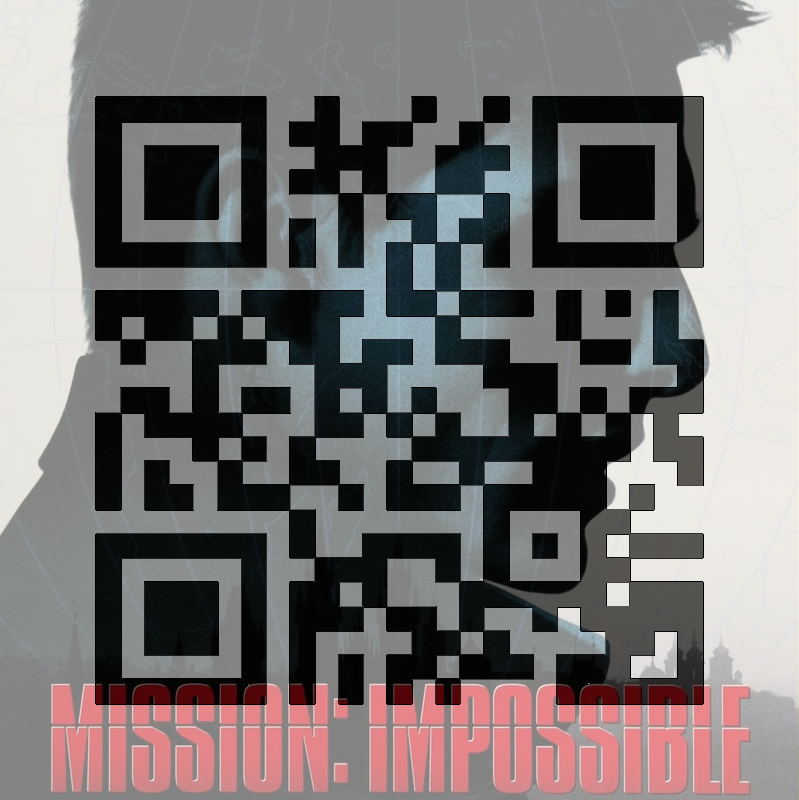
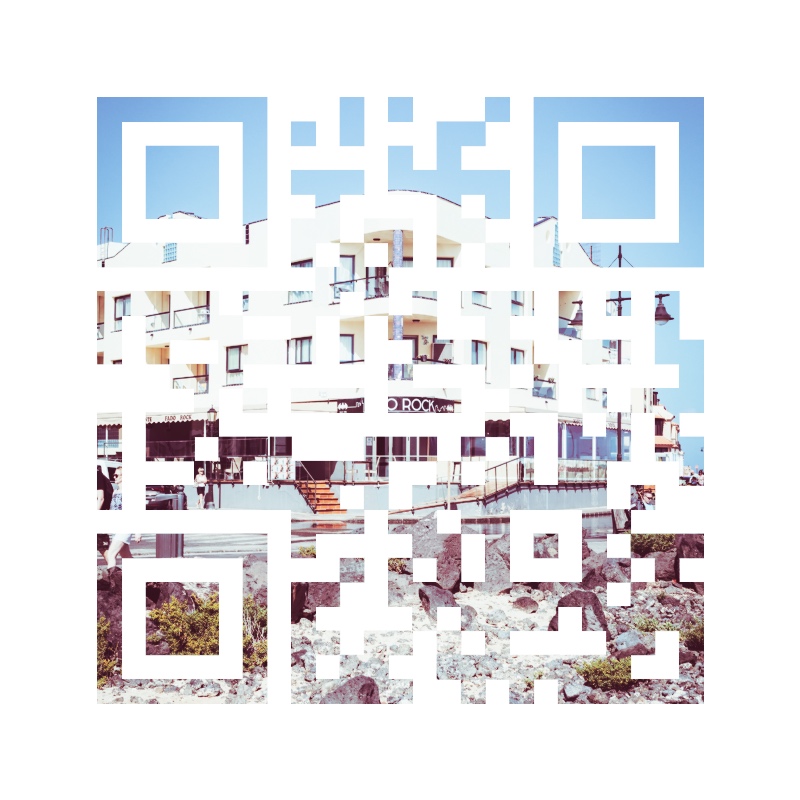
QR Experiments: QR-ized photos
This is my 2nd QR Experiments post: make QR-codes from images, also check the first one on QR Roulette!
I started to do some QR code (two-dimensional matrix barcode) experiments recently and this is the first result: I developed an animated QR code, ‘QR Roulette‘ or QRoulette.
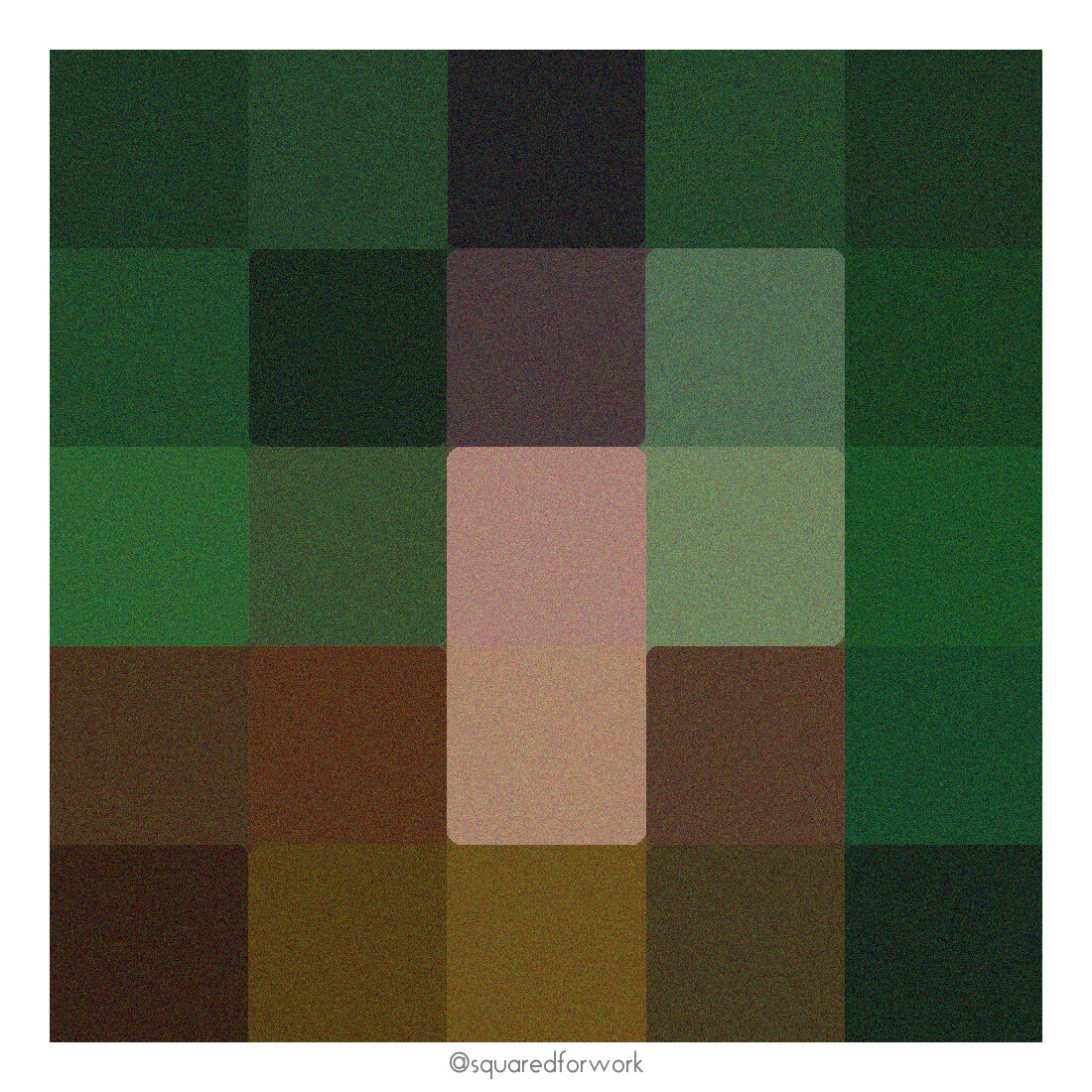
Imagemagick is a command-line tool to create and modify image files. It is an essential program if you want to work with media files (just like ffmpeg and sox). I have used it very often in my career and I still discover new applications. This blog post is about one of these experiments. How few pixels does one need to recognise a familiar/known image, in this case a movie poster? I created the Pixel Movie Quiz.
I saw I was getting quite some traffic from Russia on my tech news aggregator. It turns out I have a Russian site that published a post on nuuz.io. I made it onto their ‘Web projects of the year 2019’ list, next to Nomadlist and Deepl.

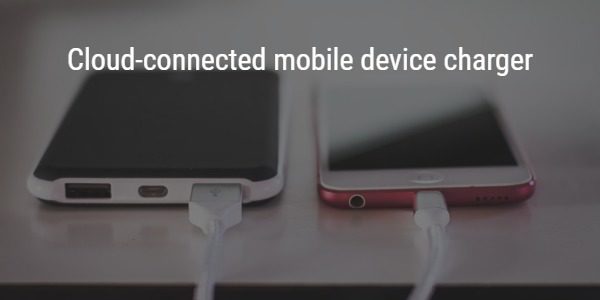
Let me describe an idea I had for the intelligent cloud-connected mobile device charger that keeps all my mobile battery devices charged optimally.
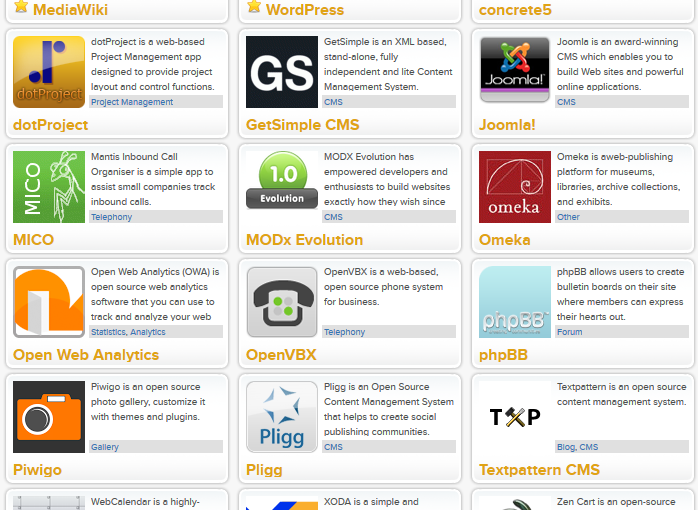
A lot of hosting companies already offer one-click installs for WordPress, Drupal, Joomla, dotProject. These are mostly content (CMS) tools. They’re useful, but they cover only a part of what a corporate customer would want. I would love to see a hosting company that offers branded tools as a service:
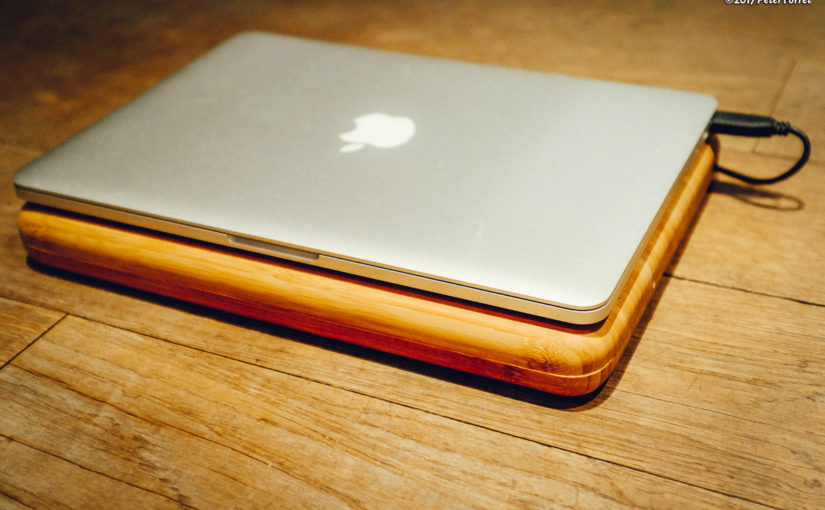
UPDATE Nov 2019: my idea has been validated! I just discovered a sleek aluminium version, called the LineDock! Extra (USB/HDMI/DisplayPort) ports, extra battery power and up to 1TB of SSD disk space.
Update Sept 2017: FreshDesk just release a new product FreshTeam that does exactly what I specified below.
I recently found myself in the position of having to hire a new colleague for the first time in a long while. This means, I get lots of emails with attached PDFs from people I’ve never heard of, I have to filter out the good ones, invite those and send a thank-you-email to all the other ones. I then evaluate the candidates after their first conversation, maybe invite them for a second interview. A classical funnel workflow. Surely this can be automated and optimised, I told myself (as I caught myself adding colours to Outlook mails in my ‘Applicants’ folder, in order not to forget who I invited and/or answered.)
I was driving for 6 hours the other day and my wife was asleep, so what does one do: work out the details for a new kind of hosted communication service in my head.
If you are a user of AirBNB, you might have noticed that when you get messages from your hosts in the app, you also get an SMS/text with (the first 140 chars) of the message. The number you get it from, is not the phone number of the host. In my case it was more often a US number. So I started thinking: how does this work? Obviously this is not a phone number per customer, since that would be impossible/unaffordable. If they use N phone numbers to send these messages, when someone replies, how do they know who to forward the message to? It’s not rocket science.
A typical user has one ‘current’ transaction with AirBNB (i.e. ‘where do I sleep tonight?’). If that user (whose phone number we know) sends a message, we know it is concerning that transaction. In the worst case the person stays in a different AirBNB place every night, and you want the group chat to be available 2 weeks before until 1 week after the transaction. That can be managed with 21 different phone numbers. For the hosts that manage several apartments or rooms, they might have up to 100 group chats that are active at the same time. Still, 100 different phone numbers, that’s still doable.
So then I thought, what if you would have a service that allows any company to do this? They want to set up a temporary group chat with different channels (their own app, email, SMS, WhatsApp, Messenger, …) but not manage the details. So that idea crystallised into a short-term unified group messaging enterprise – STUGME.
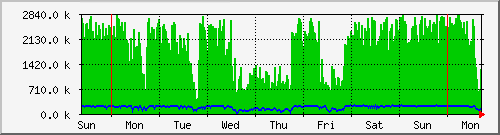
Every tech geek has his/her preferred tools and one of mine is without doubt Tobi Oetiker’s MRTG (Multi Router Traffic Grapher), which I’ve used to make pretty trend lines of much more than routers or traffic.
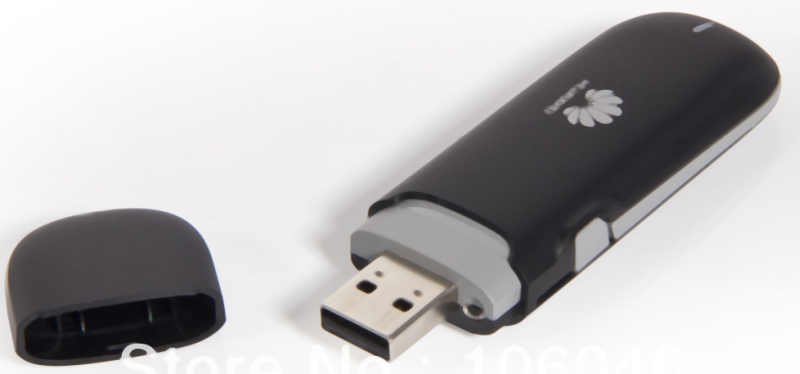
Some drivers love fancy chrome wheel rims, some add a huge wing spoiler on their car, or fuzzy dice hanging from their rear-view mirror. Me, when I bought my new car, I decided that I wanted a Wifi network in my car. So that any passenger with a laptop/iPod could read his email. And I imagined driving to distant holiday locations while my passenger where watching movies streamed from a NAS disk built into the car.
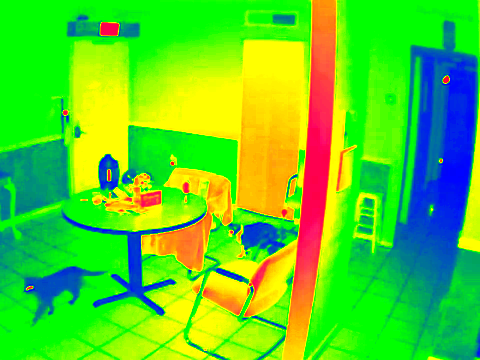
I am doing some really cool research lately concerning video conversion and one of the issues I ran into, concerns infrared imaging. In short: all the ‘cool’ thermographic (colour is dependent on radiated temperature) images are in color, and the images you get from cheap IR cameras is black and white. How do you convert the B/W into colour?